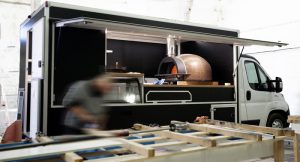
Why Your Food Truck Might Fail the UTAC Inspection (and How to Avoid It)
You’ve found your vehicle, chosen your concept, and budgeted for the interior conversion. Then someone mentions UTAC certification and the process of becoming a VASP.

The culinary world of the converted food truck is one where passion and practical skills can sometimes trump diplomas. While an education in food service can be an asset, it’s not always required. Many talented food truck chefs and employees have acquired their skills through experience, on-the-job training, and a deep passion for mobile cooking. However, specialized courses or training can provide a useful theoretical grounding and a thorough understanding of hygiene standards and culinary techniques.
Culinary versatility: The ability to prepare and cook a variety of dishes quickly and efficiently is a fundamental skill. A versatile employee can adapt to menu changes and respond to diverse customer requests.
Sense of Service: Customer friendliness and satisfaction are crucial in the food truck world. A good employee must have an exceptional sense of service, be attentive to customer needs, and able to maintain quality service even in demanding situations.
Adaptability: Food trucks can be dynamic and unpredictable. Employees need to be able to adapt quickly to menu changes, variations in customer flow, and unforeseen challenges.
Organizational skills: In a limited space, time and space management are essential. Look for organized individuals capable of maintaining efficiency even in stressful situations.
Personal hygiene: Compliance with hygiene standards is imperative in the food industry. Employees must understand the importance of personal cleanliness and hygienic practices to ensure food safety.
Communication skills: Effective communication with staff and customers is crucial. Employees must be able to take clear orders, provide menu explanations, and collaborate harmoniously in a small space.
Culinary creativity: The ability to bring creative ideas to the menu can make all the difference. An employee who can come up with innovative suggestions while respecting the constraints of the food truck’s space and equipment can contribute to the diversification and appeal of the menu.
The morning often begins with the preparation of ingredients for the day. The employee must be able to manage the cutting, marinating and preparation required for the day’s dishes.
Throughout the day, the employee takes orders from customers. Speed and precision are crucial to avoid excessive waiting times and guarantee customer satisfaction.
During peak hours, the employee must manage the cooking of food in real time, while assembling dishes on demand. Effective coordination and communication are essential to maintain smooth service.
A crucial aspect of working in a food truck is interacting with customers. The employee must be friendly, attentive, and able to answer questions about the menu with enthusiasm.
After opening hours, the employee is responsible for cleaning and disinfecting the food truck. This includes cleaning equipment, preparation surfaces and waste management.
Inventory management is also an important responsibility. The employee must ensure that the necessary ingredients are available, and report any need for replenishment.
Hiring a food truck employee involves specific legal obligations, including:
Hiring the right skills for your food truck is essential to providing a quality service. But first, make sure your business stays up and running by keeping your itinerant merchant card up to date. Learn how to renew your card and keep hiring the best talent for your food truck.
These notions may also apply if you own a food truck. Find out more!

You’ve found your vehicle, chosen your concept, and budgeted for the interior conversion. Then someone mentions UTAC certification and the process of becoming a VASP.

Whensetting up a food truck or itinerant restaurant, you must comply with hygiene and food safety requirements. These rules guarantee the quality of the food

VASP homologation, or Validation d’Aptitude à la Sécurité des Produits, is an essential regulatory process in the automotive industry. It aims to assess and approve the conformity of specialized vehicles used for professional or specific purposes. VASP certification guarantees that these vehicles meet the strict safety standards set by current legislation. This procedure mainly concerns vehicles used in fields such as passenger transport, ambulances, emergency vehicles, dangerous goods vehicles, etc.